A windshield rarely fails at a convenient moment. It happens on a commuter route behind a gravel truck, at a trailhead after temperature swings crack a rock chip, or in a parking lot where an errant ball meets tempered glass. When the damage crosses from annoying to unsafe, the smartest move is to stop driving and get a same-day windshield replacement. That sounds simple, until you start calling around, hear conflicting advice, and wonder whether mobile service is as good as a shop. It can be, if you understand what matters, how to compare an auto glass quote, and what to do the moment the glass breaks.
I spent a decade around collision centers and mobile installers, watching great work and some avoidable mistakes. The difference often came down to preparation, parts selection, and a few quiet details the best technicians don’t skip. Here’s how to navigate the process with confidence, from that first search for auto glass near me to setting the final cure time.
The safety stakes when glass fails
Modern windshields do far more than block wind. That sheet of laminated glass helps hold the roof structure in a rollover and gives the passenger-side airbag a surface to punch against. A compromised windshield can turn an otherwise survivable crash into a devastating one. That’s why the line between repair and replacement is not guesswork. A chip near the edge that interrupts the bonding zone, a crack in the driver’s line of sight, or damage longer than a few inches will usually call for a replacement.
The urgency grows if the crack is spreading. Heat, cold, and chassis flex act like a slow-motion pry bar. A star break at breakfast can become a foot-long crack by lunchtime. Same-day service isn’t just about convenience, it’s about cutting off additional risk and avoiding related costs, like failed inspections or a ticket for an obstructed view.
What “mobile auto glass” really means
Mobile auto glass technicians bring the shop to you. They arrive with the new windshield, a glass rack inside the van, urethane adhesive warmed to the right temperature, primer systems for glass and pinchweld, and tools to remove trim without breaking clips. A good mobile setup can match shop quality for most passenger vehicles. It does require cooperation from the weather, a safe parking spot, and time for the adhesive to cure before you drive.
There are trade-offs. Shops control lighting, contamination, and climate, especially in winter. Mobile installers compensate with canopies, curing lamps, and careful prep, but high wind, heavy rain, and extreme cold may push an appointment back or force a shop visit. If your vehicle uses complex driver-assistance systems, you may also need post-installation calibration. Some mobile teams carry portable targets and can perform static calibrations on-site when the space allows. Others will replace the glass in your driveway and send you to a partner shop for dynamic road calibration immediately afterward.
How to triage damage and decide your next move
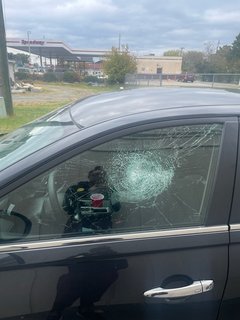
The first job is to slow down and assess. Is the glass laminated (windshield) or tempered (side and rear)? Windshields crack and hold together. Tempered glass shatters into pellets, often requiring cleanup and immediate replacement to secure the vehicle. For windshield chips smaller than a quarter, especially if they’re round and not on the edge, a repair can be permanent and inexpensive. Anything longer than a couple of inches, branching cracks, or damage sitting inside the wiper sweep in front of the driver tends to push you toward replacement.
I’ve seen drivers delay on a dime-sized chip for months, only to pay hundreds more after a single cold morning turns it into a creeping fissure. If you plan to get the repair, do it quickly. If you need a windshield replacement, stop washing the car, avoid potholes, and park out of direct heat. That buys you time without making the crack worse.
Finding the right provider when you search “auto glass near me”
The search results page loads with national brands, franchise shops, and independent specialists. Price is only part of the story. Technical competence, access to the right part, and the installer’s process often matter more than saving twenty dollars. If you call three companies, you will hear three different scheduling estimates. Same-day is realistic in many metro areas if your vehicle is common, you’re flexible on time and location, and you avoid rush hours.
Look for signs of a professional outfit. Do they ask for your full VIN up front, or at least the year, make, model, trim, and whether you have a rain sensor, heated wiper park area, lane-departure camera, or head-up display? Those features change the glass specification, and the wrong part will push your appointment another day. Do they warn you about drive-away times, recalibration needs, and weather constraints? The best shops explain these without prompting.
The anatomy of a reliable auto glass quote
When you request a windshield quote, you want more than a single number by text. A proper auto glass quote breaks down the glass type, the adhesive, moldings or clips, mobile service fees if any, and anticipated recalibration cost. It should also state whether the glass is OEM, OEE (original equipment equivalent), or an aftermarket part from a reputable manufacturer.
Here is what an accurate quote typically accounts for. Exact glass part number tied to your VIN, including features like acoustic interlayer, solar coating, tint band, heating elements, and sensor mounts. If the provider is guessing, expect delays. Adhesive system and cure time, usually a urethane with a safe drive-away rating ranging between 30 minutes and a few hours depending on temperature and humidity. If they cannot tell you the minimum safe drive time, take that as a red flag. Moldings, clips, and cowl fasteners. Many windshields reuse trim, but plastic cowl pins and clips often break. Including these cheap parts avoids rattles and water leaks. Recalibration plan, whether on-site or scheduled after installation, with a price range. For ADAS-equipped cars, skipping calibration risks warning lights and misaligned camera input. Mobile fee or none. Some providers bake it into the price. Either way, your final number should match your invoice.
A fair price for a mainstream windshield with a lane camera in a large city often lands in the 300 to 600 dollar range for quality OEE glass, plus 150 to 300 dollars for calibration. Luxury brands, heated glass, or HUD can push the total well over 1,000 dollars. Side and rear glass vary widely, but tempered glass tends to be less expensive to purchase and more time-consuming to clean up.
Same-day logistics: what to expect and how to help
Once you book, the window of arrival matters. Mobile teams work routes that shift as jobs complete early or late. A provider that texts ETA updates and confirms parts on the truck before dispatch keeps surprises down. Before the van shows up, clear access around the car, remove personal items from the dash, and have a sheltered spot ready if weather looms. A level driveway or a quiet corner of a parking structure beats a street with traffic.
Technicians begin by taping trim to protect paint, removing the wipers and cowl, and cutting the old urethane bond. The original glass comes out in minutes on many vehicles, longer on cars with submerged edges or thick moldings. They’ll prep the pinchweld by removing old adhesive down to a thin, clean base, treat scratches with primer to prevent rust, and wipe the ceramic frit on the new glass with cleaner, then apply glass primer if required by the adhesive system. After running a consistent bead of urethane, they set the glass with suction cups, align it off the A-pillars and roof, and apply light pressure to bed it evenly. Trims, clips, and wipers go back on, washer lines reconnect, and sensors get reattached or initialized.
Good installers build in a leak test with a gentle water spray and run the wipers. If you hear a rattle or see a drip, speak up before they leave. Problems caught on-site are easier to fix.
Weather, temperature, and curing: why timing drives safety
Urethane adhesives cure by reacting with moisture, and temperature changes the speed. At 70 degrees with average humidity, many systems reach safe drive-away in 30 to 60 minutes. In colder, drier air, that may stretch to several hours. Some adhesives are formulated for fast cure in winter, but every product has a rated minimum. Respect it. I have seen a rushed departure lead to wind noise and a micro-leak that soaked a BCM under the dash after a thunderstorm. The few hours you save are not worth the potential electrical gremlins.
Rain during installation is a hard stop unless the team has a canopy that fully shelters the bond area. Wind that blows dust across fresh urethane can cause adhesion issues. In extreme heat, the bead can slump if not applied properly. Technicians plan around this, but you can help by rescheduling when conditions are marginal, or by bringing the vehicle to a shop bay.
Glass choices: OEM, OEE, and everything else
Most drivers care about three things: fit, optical quality, and sensor compatibility. OEM glass is made by the original supplier, marked with the automaker’s logo, and tends to cost more. OEE glass comes from the same factories or equivalent producers and often matches OEM specifications without the branding. Aftermarket glass quality ranges. Good brands produce consistent curvature, a flat viewing plane, and proper frit coverage. Poor glass can introduce subtle distortion at the edges, which some drivers notice on long night drives.
On vehicles with advanced driver-assistance systems, the bracket tolerances and optical clarity in the camera zone matter. The safest route is to choose OEM or high-quality OEE that the installer has used successfully on your model. Ask directly whether the part supports your rain sensor, HUD, or heating elements and whether they have seen calibration success with it. A slightly higher part cost can save hours of calibration drama.
Insurance, cash, and the fine print
Comprehensive coverage often pays for auto glass replacement after a rock strike, and many policies waive the deductible for windshield repair and replacement. That varies by state and carrier. If you call your insurer first, they may route you to preferred vendors. You can still choose your shop. The insurer may pay the provider directly or reimburse you. If you go the cash route, negotiating the price is normal. Many mobile teams discount for same-day if you’re close to their route.
Read the warranty. A solid warranty covers workmanship and leaks for as long as you own the vehicle. It will exclude new cracks from fresh impacts, obviously, but it should not dodge responsibility for wind noise, water intrusion, or trim fitment. Keep the invoice. If a leak shows up in a month during a storm, a good shop will come back to reseal or reset the glass without charge.
ADAS calibration: the part many drivers miss
If your windshield houses a forward-facing camera, radar window, or LIDAR sensor area, replacing the glass typically Orangeburg auto glass replacement requires calibration. Automakers specify static calibration with a target board at measured distances, dynamic calibration that involves a road drive under certain conditions, or both. Some vehicles complete dynamic calibration in twenty minutes on a straight road. Others need a controlled shop environment.
Expect the calibration to add time to your same-day plan. In practice, you can still get it done within the day if the provider coordinates. I’ve seen mobile installers complete the glass swap by late morning, then send the car to a nearby partner for a static target session and a road drive in the afternoon. Skipping calibration can leave you with warning lights or, worse, a system that appears to function but reads lane markings a few inches off. That margin matters at highway speed.
How to compare providers quickly when the clock is ticking
When you’re on the phone or chat, use a short playbook to cut through the noise and get an apples-to-apples comparison.
- Share your VIN and ask for the exact glass part number, whether it’s OEM or OEE, and confirmation that it supports your sensors or HUD. Request the adhesive brand and the safe drive-away time at today’s temperature, plus whether they bring a canopy or recommend a shop if weather turns. Confirm whether recalibration is required, where it will be performed, and whether the quote includes it. Ask if new moldings or clips are included if needed, and whether they pressure test for leaks on-site. Get the arrival window, the mobile service fee if any, and a written or texted quote that matches the final invoice.
That short list saves you from vague promises and puts every provider on record. The teams that answer fluently tend to do better work.
Common pitfalls and how to avoid them
Rushed scheduling without verifying features is the number one cause of delays. That sun load sensor at the dash, the little black square behind your rearview mirror, the edge heater line you can barely see, each can trigger a parts mismatch. Take an extra minute to describe what you see on the glass, or send a photo to the dispatcher.
Another pitfall is driving too soon. Adhesive data sheets exist for a reason. If your technician recommends two hours before driving, wait two. If the outside air is at 40 degrees and humidity is low, they may recommend longer, even with fast-cure urethane. That’s not upselling, it’s physics.
Finally, skimping on cleanup after side or back glass shatters can lead to noise and lingering glass pellets in door tracks or cargo wells. A thorough vacuum and magnet sweep, plus blowing out channels with compressed air, matters. If the rear quarter window breaks, ensure the shop re-codes or reinitializes any anti-pinch window systems if your model uses them.
What a good mobile install looks and feels like
The van arrives on time. The tech lays fender covers, masks paint, and stages parts. The cowl comes off without forcing brittle clips, and broken fasteners are replaced, not glued. The old urethane is trimmed to a neat, uniform base. Primer flashes the right amount of time before the bead is laid. The bead looks like a continuous, even triangle, not a lumpy rope. The glass sets once, not three times. Excess adhesive is not smeared across the dash or A-pillar. The wipers park where they should. The technician explains the cure time and recalibration steps, cleans the interior, and leaves you with a warranty card.
When you drive the next day at highway speed, you hear no rushing wind around the A-pillars. You see no distortion through the wiper sweep. If you park in heavy rain, the carpets stay dry. That is the standard most shops can meet, and great shops deliver quietly, every day.
A brief note on specialty and classic vehicles
Older cars and trucks bring unique challenges. Glass availability can be limited, moldings may be obsolete, and the pinch weld may carry old rust that needs treatment. A specialty glass shop that works with restorations is worth the wait. For bonded rear and quarter glass on coupes or hatchbacks, removal can damage paint if the adhesive lifts the finish. Experts tape and guard those edges and plan for touch-ups when necessary. Same-day may still be possible, but planning becomes crucial.
Luxury vehicles with laminated side glass, embedded antennas, or infrared coatings deserve extra scrutiny on the parts list. Aftermarket options exist, but not all maintain the same acoustic dampening or RF behavior. Again, a conversation with a provider who knows the nuances of your model pays off.
Aftercare: how to protect the new bond and finish
Treat the car gently for the first day. Close the doors without slamming them. Leave a window cracked if the cabin bakes in the sun, so pressure changes don’t push on fresh urethane. Avoid high-pressure car washes for at least 24 to 48 hours. Don’t pull off the retention tape along the edges until the installer’s recommended time passes. If your car uses automatic high beams or lane centering, verify that indicators behave normally after calibration, and watch for any dashboard messages. If something feels off, call the shop promptly. Recalibrations and small adjustments are much easier in the first week.
When same-day isn’t the smart move
Most drivers can be back on the road quickly, but a few conditions argue for patience. If your installer cannot source the correct glass with the proper bracket or coating, waiting a day for the right part avoids calibration headaches. If the weather is so cold that even fast-cure urethane would need an impractical wait, moving to a shop bay is safer. If rust appears in the pinchweld, proper repair and sealing will add time but prevent leaks months later. A trustworthy provider will say so, even if it costs them the job that day.
Bringing it together: fast, safe, and done right
The path from a cracked windshield to a solid same-day replacement runs through good information and a few deliberate choices. Get a precise auto glass quote tied to your VIN, choose quality glass that suits your vehicle’s features, insist on clear cure times, and plan for ADAS calibration if you have it. The best mobile teams can deliver shop-level outcomes at your curb, and most busy days go more smoothly when the provider and driver coordinate well. If you start with the right questions and resist shortcuts, the next time you search for auto glass near me, you’ll turn a headache into a quick fix and a safe drive.
Finally, a quick practical sequence for drivers juggling work and kids while trying to get this done fast:
- Take clear photos of the damage and the area behind your rearview mirror. Note your VIN from the dashboard or registration. Call two providers for a windshield quote or auto glass quote, provide the VIN, and confirm ADAS features, part type, cure time, and calibration plan. Choose the team that can verify the exact glass and commit to a realistic arrival window, then clear a level spot out of wind and rain. After install, follow the adhesive drive-away guidance, complete calibration the same day if needed, and check for leaks or wind noise on your first highway run. Keep the invoice and warranty. If something isn’t perfect, ask for a recheck. The good shops make it right without argument.
With that, you’ve covered speed, safety, and value in one sweep. You’ll forget about the crack by next week, which is the best measure of an auto glass replacement done well.